
Septic System Questions for Northeast Texas homeowners
How often to pump, why it matters and what a failing system actually looks like. The questions we get asked most, answered plainly.
(903) 885-4946Someone answers any hour, any day. TCEQ Transporter Reg. 23977
Request Call Back
Free septic system consultation
Frequently Asked Questions
Have a septic system-related question? We have the answer. Check out these FAQs and give us a call today for more information.
How often should I have my septic tank pumped?
For septic tank and field systems, we recommend pumping every two to four years, depending on household size. This aligns with recommendations from many state and health departments. If you have an aerobic unit, pumping every other year is advised due to the higher waste production of aerobic bacteria compared to anaerobic bacteria.
Why do I need to have my septic system pumped?
Regular pumping is crucial to maintain your septic system’s efficiency. In the septic tank, solids separate from liquids, forming sludge and scum layers. As these layers thicken, the clear zone between them narrows. Without pumping, excess solids can enter the leach field, clogging soil pores and reducing the system’s capacity to absorb and treat effluent. This can lead to sewage backups in your home or surfacing on your lawn, depending on the relative elevation of your house and the soil absorption system.
What are some signs of a failing septic system?
Indicators of a failing septic system include wet spots in your yard above the septic field, unpleasant odors, slow drains or gurgling sounds in your plumbing, and backups in toilets or showers. If you notice any of these signs, it’s important to have your system inspected promptly.
How much septic field do I need?
The size of septic field required is determined by local regulations and soil conditions. Most counties use either percolation tests or soil evaluation tests to assess soil category or percolation rate. For residential systems, the field size is based on the number of bedrooms and soil type. Commercial systems are sized according to the number of employees and soil characteristics.
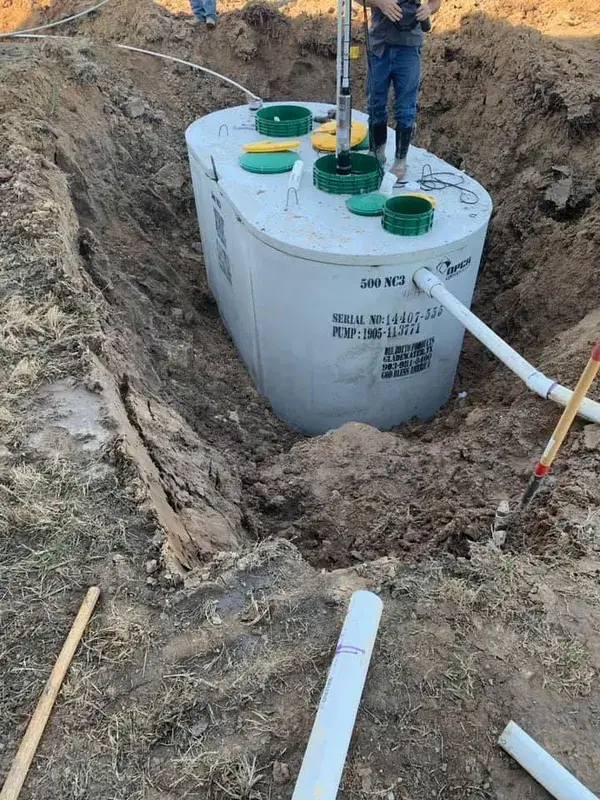
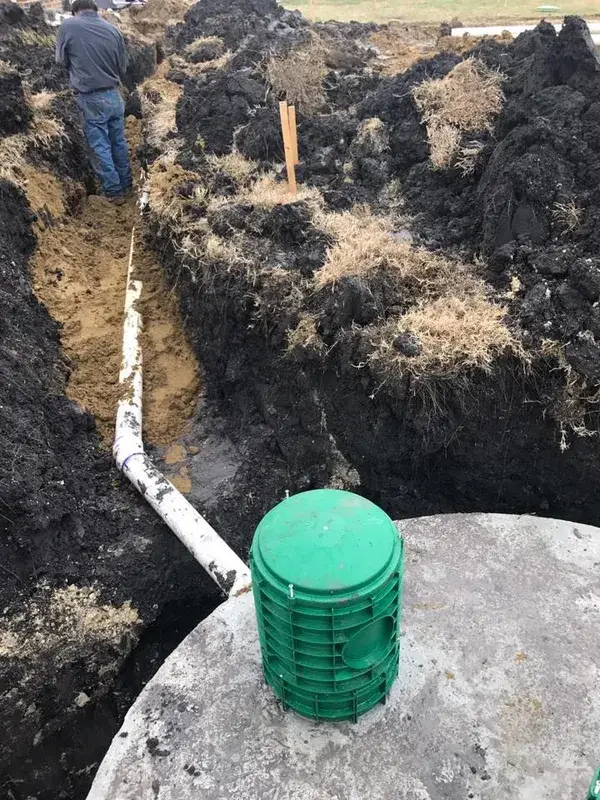
Still have a question?
Call us and we’ll walk you through it. 24/7 emergency service available.